


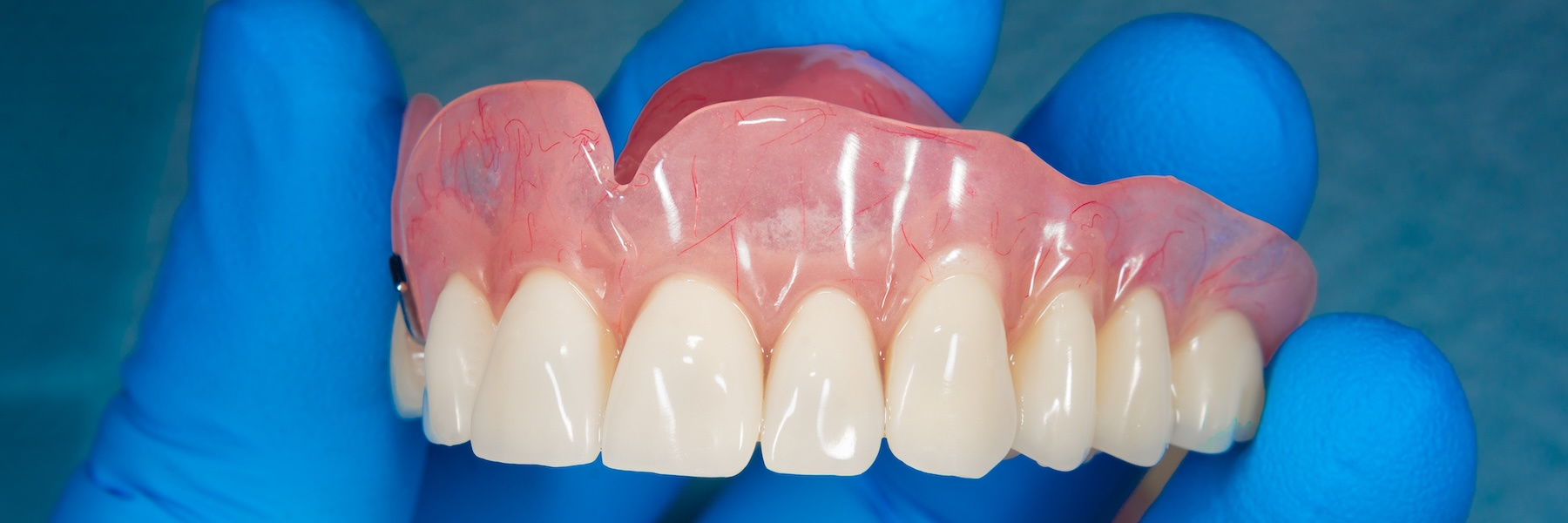
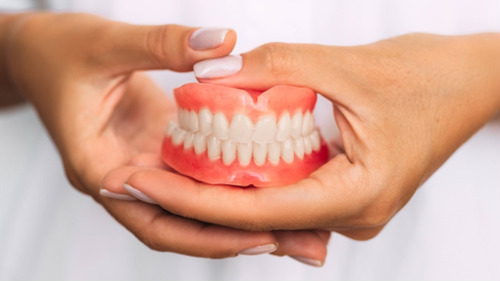
Breaking a denture can be a stressful experience. Fortunately, not every break means you need to start over. At NOLA Dentures and General Dentistry in Gretna, LA, the answer depends on what broke, how old the denture is, and how well it still fits.
When Denture Repair in Gretna, LA, Works Well
Repairs work best when the denture is fairly new, fits well, and the damage is limited to one area. Some breaks are straightforward to fix. It is possible to repair a clean crack in the base, a single broken tooth, or a minor chip without replacing the entire denture.
We do not recommend trying to fix broken dentures at home with over-the-counter adhesives. DIY repairs rarely hold and can change the denture’s fit, causing sore spots or uneven pressure on the gums.
When Replacing Old Dentures Makes More Sense
Some situations make denture replacement obvious. Multiple breaks over time, significant warping, or repeated cracking in the same place are signs that the material has reached the end of its useful life. Repairing a heavily worn denture is just a short-term fix that only leads to further problems.
Age and Material Considerations
Most dentures last 5–10 years with proper care. Older dentures become more brittle, making them more prone to cracking. The acrylic material also wears down, which affects how the denture functions and distributes bite pressure.
When Should Dentures Be Replaced? How Bone and Gum Changes Affect Denture Fit
Your jawbone and gum tissue change shape over time after tooth loss. A denture that fits well when it was first made may not fit correctly years later. Poor fit puts uneven stress on the denture base, which also increases the risk of cracking. In these cases, even a repaired denture may continue to break until your dentist addresses the fit issue.
Replacing old dentures: If your denture has broken or no longer fits well, the team at NOLA Dentures and General Dentistry in Gretna, LA, can help. Call us at (504) 392-5104 or book an evaluation online.