
TMJ or Jaw Pain
Ease the Pain from TMJ

TMJ can be uncomfortable, we offer treatment options to help relieve the pain.

TMJ or Jaw Pain | Dentist
Improve your smile today – call to schedule a consultation!
Claim Now!

TMJ or Jaw Pain in Gretna LA
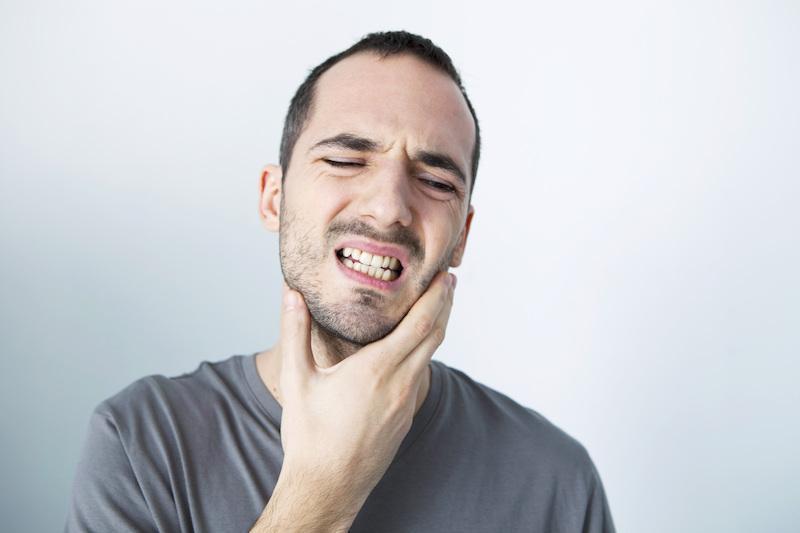
Man | Gretna LA DentistWhat is the TMJ?

The TMJ is the temporomandibular joint, which is the joint that connects the upper jaw, or maxilla, to the lower jaw, or mandible. It is found right in front of the ears. If you put your fingers right in front of your ears and open, you can feel your TMJ.

What is TMJ Pain?

TMJ pain is a broad term for pain in the jaw that is not caused by an infection. TMJ pain can refer to pain in the joint, the muscles, or even the teeth. It is difficult problem that is caused by many different factors. While it can happen in anyone at any age, it typically appears in young women. One of the most common causes is clenching and grinding of the teeth.

Treatments for TMJD (Temporomandibular Joint Dysfunction)

Dr. Schafer's philosophy at NOLA Dentures and General Dentistry is to be as conservative as possible to treat TMJ pain. Thankfully, generally TMJ pain lessens and can even go away over time as the body heals itself. For most of his patients, Dr. Schafer will recommend a split or a mouth guard as well as personal self-regulation techniques also known as checking yourself.

Personal Self-Regulation

As most TMJ pain is caused by unconsciously clenching and grinding of the teeth, Dr. Schafer recommends that his patients who suffer from TMJ do five things
 
1) Soft diet or nothing harder than baked chicken. Avoid chewy foods like gum, Skittles, jerky, or tough steak.
 
2) Over the counter pain medication for the pain. Whatever medication you use for headaches or other pains works well to treat TMJ pain. The reason is that most over the counter medications treat inflammatory pain, which is the same pain that causes TMJ pain.
 
3) Hot compresses and self-massage joint and muscles. Much like a runner will put a hot compress on a sore muscle, putting hot compresses and doing regular massages on the TMJ and muscles will make them feel better. The desired heat level is the “burn so good” feeling of a hot shower. Similarly, the “hurt so good” level of massage is the proper massage strength.
 
4) Use sensitive toothpaste for at least one month. Many times the teeth and the teeth's nerves are irritated from clenching and grinding. A sensitive toothpaste like Sensodyne or Colgate Sensitive works well to calm the nerve to lessen the pain.
 
5) Setting a regular alarm to check for clenching and grinding. Many of us clench and grind our teeth without realizing it. Even Dr. Schafer himself does this unknowingly throughout the day. What works well is to set either a wristwatch or cell phone to vibrate every 15 minutes throughout the day. If you catch yourself gritting your teeth, you should immediately stop. This is perhaps the most annoying of all the personal self-regulation techniques, but it also works the best as it stops the bad habit that's causing the pain.

Are You Experiencing Jaw Pain? Call Us! 

Do you have jaw pain that is preventing you from enjoying your favorite foods or causing you to lose sleep? If you have these issues, please call us at NOLA Dentures and General Dentistry today.

Frequently Asked Questions

Man holding jaw from tooth pain | Dentist Gretna LATMJ pain and problems are some of the most difficult areas of dentistry as it can be hard to properly diagnose and can cause problems ranging from tooth sensitivity to ear pain to headaches. The good news though with most TMJ pain is that it does get better with time. The jaw does heal itself except in exceptional circumstances, and the symptoms of TMJ problems can be managed with over the counter pain meds, soft diet, and self-care such as massages and hot compresses.

TMJ Symptoms Getting Worse?

If you feel like your symptoms are worsening or that they are not going away, causing discomfort in your day-to-day life, or causing significant pain, popping, clicking, or jaw locking, we should address your condition. We offer occlusal splint (night guards) to help address the symptoms of TMJD. Having severe jaw problems can affect your quality of life, quality of sleep, and limit the foods you eat.

Treatment with a night guard is non-invasive and can protect your teeth from damage due to clenching and grinding, a common cause of jaw pain. 

If you are experiencing TMJ pain, please contact us at NOLA Dentures and General Dentistry for an evaluation. We can offer you treatment options to give you greater comfort and peace of mind.

Meet Our Doctor:

Russell Schafer , DDS | Gretna LA Dentist

Russell Schafer DDS

Dr. Russell Schafer is happy and proud to call New Orleans his home. He was born in New Orleans, raised in Pearl River, and attended Jesuit High School and graduated in 2003. He went to Rice University in Houston where he graduated with a bachelors and masters in mechanical engineering degree.  While at Rice, Dr. Schafer was a a cheerleader for all four years, active in Rice Catholic Student Association as well as student government, and tutored fellow students as well. Before attending dental school, Dr. Schafer spent ...

Featured Blog Posts - TMJ or Jaw Pain

March 21, 2024

Finding Relief: Exploring Solutions for TMJ and Jaw Pain

Lady Suffering Jaw Pain

TMJ or TMD, when used in abbreviation, are common ways to describe disorders of the temporomandibular joints. These joints, located at the junction where the jaw connects to the skull, allow for eating, speaking, and yawning.

At NOLA Dentures and General Dentistry, I’m pleased to offer TMJ treatments and solutions in Gretna, LA.

Causes and Signs of TMJ

TMJ may result from an injury, anatomical issue present at birth, grinding and clenching your teeth (bruxism), or unknown.

If TMJ results from bruxism, you may notice wear and tear on your teeth and, eventually, ...

August 16, 2018

Daytime Clenching and Grinding

Jaw Clenching | Gretna Jaw Pain

Clenching and grinding also known as parafunctional activity or bruxism by dentists is generally broken up into two different types: clenching while sleeping and clenching while awake. While both can wear and break teeth, they are caused by different factors. Generally, night time clenching and grinding is difficult to stop because we are sleeping and we cannot control what we do at night time. Daytime clenching, on the other hand, is much easier to control because we are awake, but it is still a habit that can take time to ...

Getting an appointment is fast and easy!
Get Started!